
Chrome Plating 101: Principle, Types and Applications
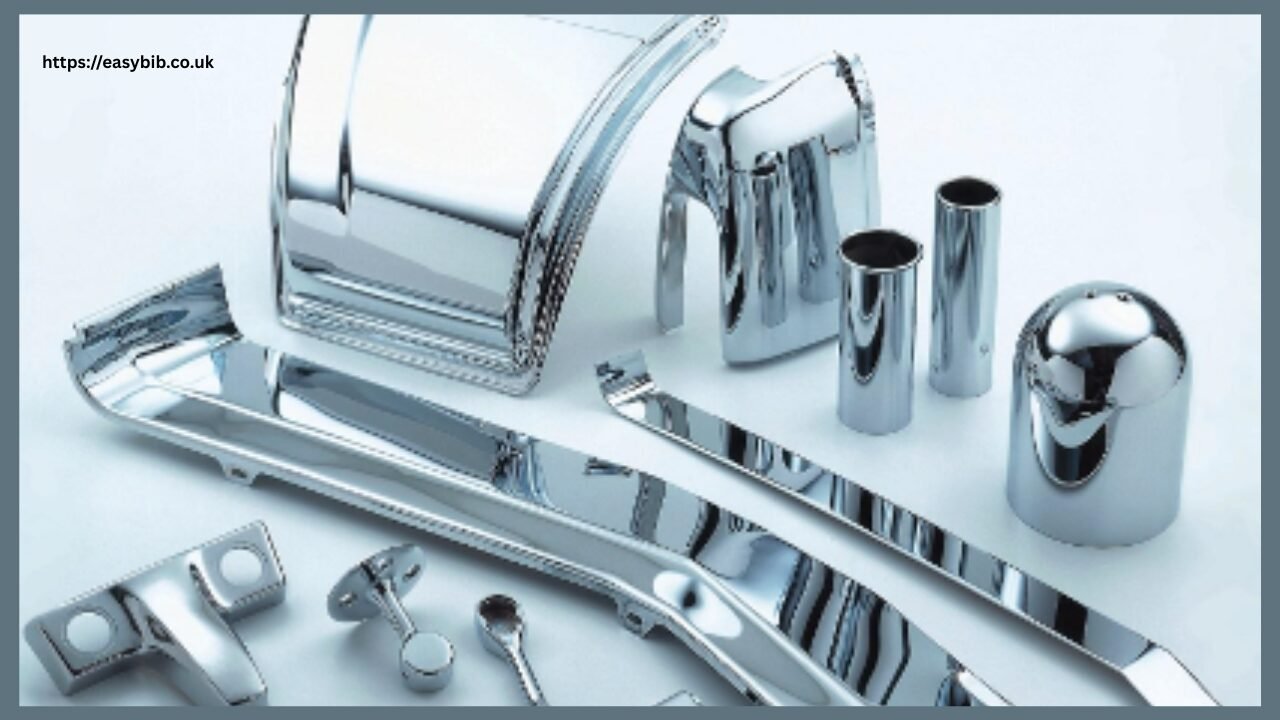
Chrome plating is a go-to surface finishing technique used across many industries to make metal parts look better and last longer. Adding a thin chromium layer to a base material gives parts superpowers like fighting rust, resisting scratches, and rocking a smooth, shiny finish. These days, manufacturers love offering chrome plating for custom parts—especially in fields where looks and precision matter most, like car making, aerospace, and even decorative stuff.
This quick guide breaks down the basics of chrome plating: what it is, where it came from, and the simple steps that make it such a popular solution.
What is Chrome Plating?
Chrome plating is a surface treatment where a thin chromium layer is “electroplated” onto metal or plastic. The goal? To create a finish that’s smooth, sparkly, and tough enough to handle daily wear and tear—all while making the part more resistant to rust and scratches.
You’ll often see this technique paired with CNC machining to upgrade component surfaces, ensuring they meet top-quality and performance standards. By carefully controlling the plating process, manufacturers can lay down a consistent chrome layer that works for everything from industrial tools to fancy decorative pieces.
How Does Chrome Plating Work?
Getting that perfect chrome finish takes a few simple, controlled steps to make sure the surface is smooth, tough, and even. Here’s a step-by-step look at the six main stages:
- Cleaning the Surface: First (and most importantly!), the part gets a deep clean. Any dirt, oil, or gunk is stripped off with chemical cleaners—because a clean surface means the chrome will stick better later.
- Activation Bath: Next, the cleaned part is dipped in an activation bath (usually a weak acid). This step roughs up the surface just a tiny bit (microscopically!) to help the chromium bond properly.
- Adding a Nickel Base Layer: Before the chrome goes on, most parts receive a nickel base layer. Think of this as the “primer”—it smooths the surface, boosts rust resistance, and helps the final chrome layer look even better. This step is a must for both tough industrial chrome (hard chrome) and shiny decorative chrome.
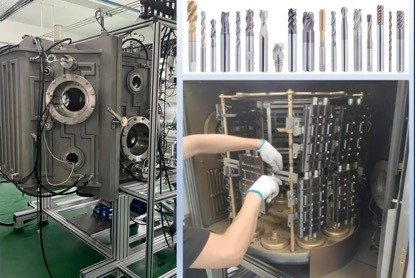
- Plating the Chromium: Now it’s time for the main event! The part is submerged in a chromium bath (containing chromic acid and other chemicals), and an electric current is applied. This causes chromium ions to adhere to the surface, forming a uniform chrome layer. The process tweaks slightly depending on whether it’s hard chrome (for strength) or decorative chrome (for shine).
- Rinsing and Drying: After plating, the part is thoroughly rinsed to remove any residual chemicals. Then it’s dried and polished to get that signature smooth, shiny look.
- Checking Quality: Last but not least, every part gets a careful inspection. No one wants blisters, cracks, or uneven thickness! Parts that pass the check are good to go—ready for use or any final touches.
What Are the Main Methods for Chromium Plating?
When it comes to chromium plating, the two most common methods are trivalent chrome plating and hexavalent chrome plating. Each one has its own job, depending on the finish you need and how tough the part needs to be.
Knowing the difference can help you pick the proper method for your project, whether you’re going for a shiny decorative look or a super-hard industrial finish. And there’s also a third, less common method we’ll touch on briefly!
Trivalent Chrome Plating
Trivalent chrome plating (or tri-chrome plating for short) uses chromium ions in a “lower energy” state compared to the hexavalent type. The bath here relies on trivalent chromium (Cr³⁺), which is way friendlier to the environment—definitely a plus these days!
This method is the go-to for decorative stuff. Think: shiny car trim, kitchen gadgets, or cool consumer products. It gives a smooth, sparkly chrome layer that also does a solid job of fighting rust. So if you want something that looks great and holds up, this might be your pick.
Hexavalent Chrome Plating
Hexavalent chrome plating is the old-school classic. It’s famous for making finishes that are seriously hard, durable, and bright. The plating bath uses hexavalent chromium (Cr⁶⁺), often mixed with chemicals like sulfuric acid.
Industries have been using this method for decades, especially for “hard chrome plating” jobs where surface toughness and scratch resistance are non-negotiable. We’re talking industrial cylinders, heavy-duty car parts, and tools that take a beating. Just keep in mind: it’s not as eco-friendly as the trivalent method.
Divalent Chromium
Divalent chromium plating is like the new kid on the block—it’s not used nearly as much as the other two. Instead of Cr³⁺ or Cr⁶⁺, it uses divalent chromium ions (Cr²⁺).
Right now, it’s still being tested for wider industrial use, but people are excited about its potential: it might be more efficient and better for the environment. While you won’t see it everywhere yet, it’s getting attention for projects that need both rust resistance and an extra-smooth finish.
Different Types of Chrome Plating
When it comes to chrome plating, there are three main types you’ll encounter: decorative chrome plating, hard chrome plating, and thin-dense chrome plating. Each one is designed to do something specific—whether it’s making parts look amazing or making them tough enough to handle heavy use.
Decorative Chrome Plating
As the name says, decorative chrome plating is all about making things look good. It adds a thin chrome layer to surfaces, primarily for style points. The result? A bright, shiny, mirror-like finish that’s perfect when looks matter most.
Hard Chrome Plating
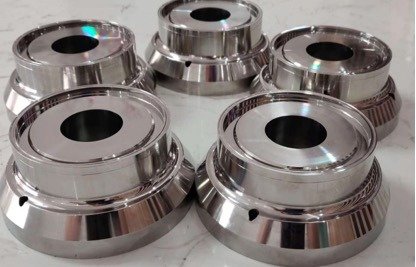
Hard chrome plating is all about function, not just looks. It is called industrial chrome plating, which adds a thicker chrome layer to make parts stronger, harder, and more resistant to wear and rust.
How to Choose a Chrome Plating?
Identify whether the plating is needed to enhance performance—such as improving wear resistance—or primarily to achieve a more appealing appearance. Whether you’re looking for hard-chrome plating for industrial parts or decorative chrome for consumer products, consider the following factors to guide your decision.
- Application Purpose: Determine whether you need plating for functional purposes (e.g., wear resistance) or for aesthetic appeal.
- Base Material Compatibility: Some methods work better with certain materials, like steel or aluminum. Ensure the plating method you select is compatible with the component’s material.
- Durability Requirements: Evaluate the amount of wear and tear the part will experience. Hard chrome is ideal for high-stress environments, while decorative chrome is suited to lighter use.
- Corrosion Protection Requirements: Evaluate whether the component will be exposed to harsh or damaging environmental conditions. Some plating processes offer greater corrosion resistance, extending the part’s lifespan.
- Preferred Surface Appearance: Each plating method produces a different look, ranging from a high-gloss shine to a satin or matte finish. Choose based on the appearance you need.
- Coating Depth and Consistency: Determine the required thickness of the chrome layer and whether an even application across the entire surface is essential.
- Cost and Budget: Different methods vary in price—factor in your available budget when deciding which plating service best fits your needs.
- Environmental and Safety Considerations: Some processes, such as those involving hexavalent chromium, may be subject to stricter environmental regulations, which may affect your choice.
What Are the Common Applications of Chrome Plating?
Chrome plating is everywhere for its superpowers of making surfaces rust-resistant, extra hard, or just plain shiny. It’s not just about looks or function; it does both, which is why so many industries swear by it. Let’s break down the most common places you’ll find chrome-plated parts.
Automotive Industry
Cars and motorcycles love chrome! It’s all over the place.
- Car parts: Engine bits, bumpers, exhaust pipes, wheels, and rocker panels. Chrome makes them last longer and gives that sleek, polished vibe.
- Motorcycle parts: Exhaust systems, handlebars, and rims get chrome to stay rust-free and look sharp on the road.
Industrial Equipment
Heavy machinery relies on chrome to keep working hard.
- Machine components: Cylinders, pistons, and hydraulic rods use “hard chrome plating” to resist wear, so they don’t break down after years of use.
- Molds and dies: In factories, chrome-plated molds prevent scratches and make it easier to pop out finished parts (like plastic or metal pieces).
Aerospace
Airplanes need parts that can handle extreme conditions, and chrome delivers:
Aircraft components: Landing gear, turbine blades, and other critical parts get chrome plating to reduce friction and wear—because even tiny scratches can be a big deal at 30,000 feet.
Consumer Goods
You probably use chrome-plated stuff every day at home.
- Kitchen gear: Faucets, handles, and utensils (like spatulas or mixing bowls) get a decorative chrome finish to look nice and withstand water and food messes.
- Household items: Door handles, furniture accents (think chair legs or lamp bases), and even bathroom hardware—chrome adds a little shine to everyday things.
Medical Devices
In hospitals, chrome is all about safety and durability.
- Surgical tools: Scalpels, forceps, and other instruments are chrome-plated to resist rust and make sterilization (killing germs) easier.
- Dental equipment: Some dental tools get chrome too—so they stay tough and hygienic, even with daily use.
READ MORE
What Are the Advantages of Chrome Plating?
Chrome plating isn’t just popular for looks; it offers a range of benefits that make it a top choice for upgrading surfaces. Here are the nine key perks that keep industries coming back:
- Corrosion Resistance: Chrome acts as a shield against rust and oxidation, which is a lifesaver for parts in harsh environments. Think: car bumpers braving rain, boat fittings in saltwater, or industrial tools exposed to moisture—chrome keeps them from falling apart.
- Increased Surface Hardness: By boosting the base material’s hardness, chrome plating creates a surface that laughs at scratches and friction. Industrial parts (like gears or hydraulic rods) love this—they last way longer, even with constant use.
- Reflective Finish: Decorative chrome’s claim to fame? That mirror-like, polished look. It turns ordinary parts into eye candy—perfect for car trim, kitchen faucets, or fancy home fixtures that need to impress.
- Enhanced Durability: Hard chrome’s thick layer is like a suit of armor for machine parts. Hydraulic cylinders, engine components, or heavy tools? Chrome reduces wear and tear, so it works longer without breaking down.
- Friction Reduction: Chrome’s smooth surface reduces friction between moving parts. Engines, pistons, or mechanical systems run more smoothly, which means less heat, less wear, and better overall performance.
- Low Maintenance: That non-porous, sleek finish isn’t just pretty—it’s practical! Chrome-plated items (like medical tools, kitchenware, or door handles) wipe clean in seconds. No stubborn grime or stains sticking around.
- Oxidation Resistance: Chrome forms a barrier against chemical reactions that would eat away at metal. This makes it ideal for parts in factories, labs, or anywhere acids, oils, or harsh substances are floating around.
- Custom Thickness for Any Job: Need a thin, shiny layer for a necklace? Or a thick, harsh coat for a bulldozer part? Chrome plating lets you adjust the thickness—so you get precisely what your project needs, no more, no less.
- Restoration: Worn-out vintage car parts or beat-up tools? Chrome plating can restore them to their original size and shine. It’s like a time machine for metal—saving you from buying brand-new replacements.