
20-Year Jewelry Manufacturer Star Harvest Reveals the Secret of Vintage Brass Chain Necklace
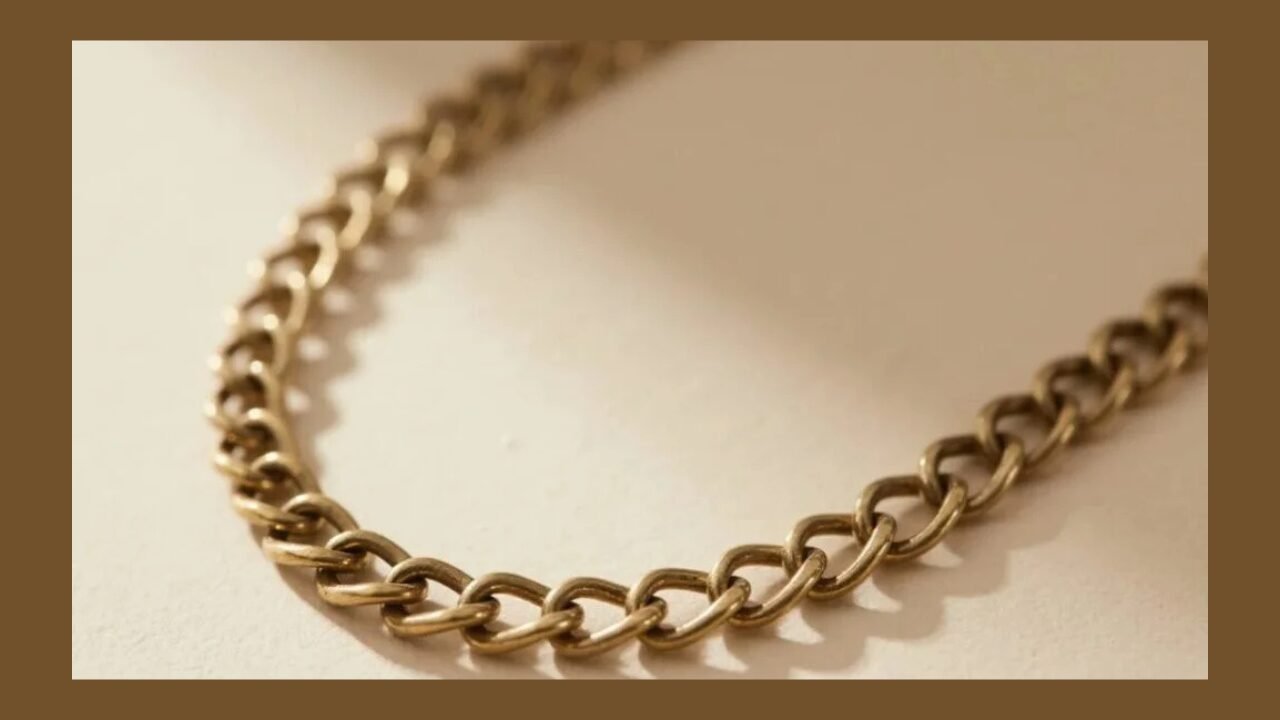
Shoppers are obsessed with that antique brass look because it feels like a story they can wear. A warm, lived-in glow stands out from shiny, factory-fresh pieces, making a brass chain necklace feel more premium. The real magic happens behind the scenes.
In this blog, Star Harvest, with expertise on OEM jewelry, will reveal the secret:
How can we retain the vintage mood while keeping the surface skin-friendly and stable for North American daily use?
Four Steps to Create a Vintage Brass Chain Necklace
Step 1: Design – Setting the Vintage Tone from Day One
The vintage story starts at the drawing board. To make a brass chain necklace look aged, Star Harvest recommends choosing chain structures that feel classic (curb, Figaro, or rolo chains with richer interlocking patterns). Such styles echo older European and North American jewelry. So, even before color treatment, the chain feels like it has a past. You are suggested to avoid ultra-minimal snake or super-sleek modern chains here. They pull the piece into a contemporary lane instead of a nostalgic one.
Next comes proportion. Each link needs enough thickness to survive aging treatments without deforming, as well as to give the necklace a solid, confident visual weight on the neck.
After that, you will move to hardware. The wrong choice can ruin the mood in a second. Instead of modern lobster or magnetic clasps, you are suggested to lean into box clasps, toggles, or slightly irregular ring clasps that look a little old-world and a little imperfect.
When design, link size, and clasp style all align, the base of your brass chain necklace already whispers “vintage” before any patina touches it.
Step 2: The Core Secret – Color and Surface Treatment
Once the structure is locked, it’s time to shift to the real secret: color and surface work. The polished chains are immersed in controlled-oxidation solutions that promote the formation of deep-brown or reddish oxide layers on the brass surface. Timing is everything here. The goal is to keep hues rich and moody, but not flat or “spray-painted.” Consequently, you should control how long each batch sits in the bath as you watch the tone move from bright brass to antique brass.
After the chemistry, come the mechanics: tumble the chains to scrub the raised areas and leave more color in the recesses. This is where natural-looking wear marks appear, as if the brass chain necklace has rubbed against skin and fabric for years. Buffing then refines the highlights so that the tops of the links catch light. Meanwhile, the inner gaps are always darker for that layered, lived-in finish buyers recognize as authentic vintage.
Step 3: Joint Treatment – Making the Details Look “Found,” Not Factory
With color in place, it’s time to clean up every connection point. Welded joints, soldered areas, and jump rings must look smooth and intentional. You may adopt slightly rough, hand-done welds so that the chain feels closer to old workshop craftsmanship than to a high-speed line. When a customer runs their fingers along the necklace, nothing should stand out as a repair.
Star Harvest adds small storytelling details. A tiny brass tag with gentle oxidation around the edges, or engraved numerals and letters in a slightly worn style, can make the piece feel like it belongs to an era or collection. Such accents don’t shout, but they help the vintage message land for your customer. This gives brands individuality and perceived value without affecting the chain.
Step 4: Quality Control – Vintage Look, Modern Standards
Last but not least, you are suggested to put the vintage look through very modern tests. Each chain style is checked for tensile strength. Hence, it won’t snap under regular pulling forces during daily wear. Star Harvest also confirms that link closures and clasps can tackle repeated opening and closing cycles. After all the aging and abrasion, you might add a thin transparent topcoat, such as an electrophoretic layer, to help stabilize the oxidized color and lower unpredictable darkening over time.
Consistency is the last big challenge for large North American orders. Aged finishes naturally vary. Yet, production for a serious brass chain necklace program needs precise tolerances. So, it is wise to define acceptable ranges for color depth and wear pattern. After that, manufacturers will compare each batch against master samples. That way, when your brand reorders, the new delivery still looks like the same vintage story your customers fell in love with, just fresh from the factory.
READ MORE
Star Harvest’s Experience in Jewelry Manufacturing
Star Harvest has spent 20 years on OEM jewelry for global brands. They act as your behind-the-scenes team for trend research, CAD, sampling, mass production, and packaging, and you can be focused on growth.
Their own lab, patented electroplating tech, and RJC-, SGS-, and ISO-audited systems keep each collection stable, safe, and market-ready. With 700+ new models a month and output in the hundreds of thousands of pieces, they can turn a single idea for an antique brass necklace chain into a reliable, scalable program.