
Constant Current vs Constant Voltage LED Drivers: Key Differences Explained
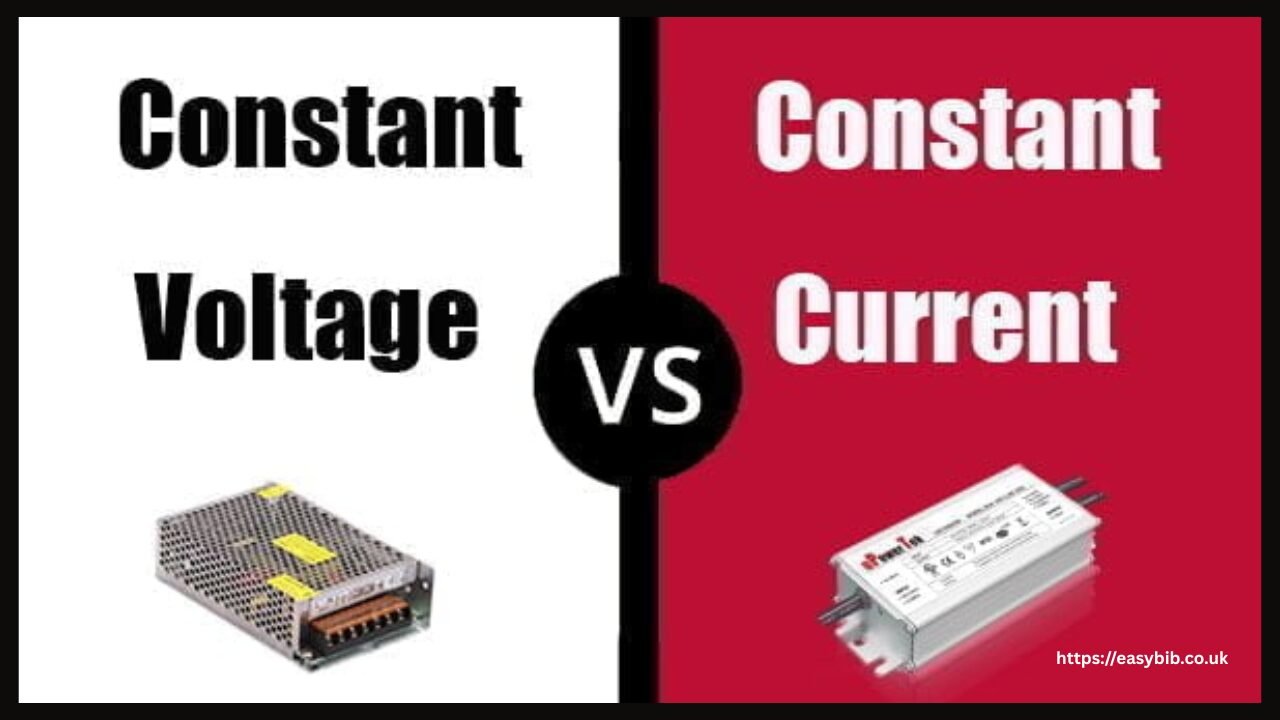
In the world of lighting technology, LED systems have revolutionized the way we illuminate our homes, workplaces, and public spaces. LEDs are energy-efficient, long-lasting, and versatile—but they also have specific electrical requirements that differ from traditional light sources. To function correctly and safely, LEDs need a stable power supply that matches their operating parameters. That’s where an LED driver comes in.
An LED driver acts as the power regulator for LEDs, ensuring they receive the correct current or voltage. Without it, even the best LEDs can flicker, dim unevenly, or burn out prematurely. Not every LED driver is built the same way. The two most common types—constant current (CC) and constant voltage (CV)—serve distinct purposes and are suited to different lighting setups. Understanding the difference between them is key to building efficient and reliable LED systems.
Let’s break down what LED drivers do, how these two types work, and how to choose the right one for your project.
1. What Is an LED Driver?
An LED driver is an electrical device that converts standard mains power (typically 120V or 240V AC) into a form that LEDs can safely use (low-voltage DC). Unlike incandescent bulbs, LEDs require precise electrical conditions—they are sensitive to current and voltage fluctuations.
The driver’s role is to provide stable power by:
- Controlling current (the flow of electricity).
- Regulating voltage (the electrical pressure driving the current).
- Protecting LEDs from power surges, thermal stress, and variations in the power supply.
In short, an LED driver is like the heart of an LED system—pumping just the right amount of energy to keep it shining efficiently and consistently.
2. Constant Current (CC) LED Drivers
A constant current LED driver supplies a steady current to the LED while allowing the voltage to fluctuate within a specified range. This is because LEDs are current-driven devices—their brightness and performance depend primarily on the current flowing through them.
How It Works:
The driver maintains a fixed output current (e.g., 350 mA, 700 mA, or 1050 mA) and automatically adjusts the voltage based on the number and type of LEDs connected.
For example:
- A 700 mA constant-current driver rated for 18–24V output will always provide 700 mA, but the voltage will vary depending on the load’s requirements.
Advantages:
- Ensures consistent brightness across all LEDs.
- Prevents overheating and extends LED lifespan.
- Ideal for high-power LEDs or series-connected LED arrays.
Common Applications:
- Downlights and spotlights.
- High-bay or flood lighting.
- Industrial and commercial LED fixtures.
Key Tip:
If you connect LEDs designed for constant-current operation to a constant-voltage source, you risk overdriving and damaging them. Always check the LED’s forward current specification before pairing it with a CC driver.
3. Constant Voltage (CV) LED Drivers
A constant-voltage LED driver maintains a fixed output voltage (typically 12V or 24V DC) while allowing the current to vary with the load. It’s normally used with LEDs or strips that already include built-in resistors or current regulators.
How It Works:
The driver outputs a stable voltage regardless of how many LEDs are connected (up to its rated capacity). Each LED module or strip segment draws the current it needs to operate correctly.
For example:
- A 12V constant voltage driver can power several 12V LED strips connected in parallel, as long as the total current doesn’t exceed the driver’s limit.
Advantages:
- Easier to design and connect in parallel circuits.
- Compatible with many plug-and-play LED products, such as flexible strips and signage.
- Works well with dimming controllers and intelligent lighting systems.
Common Applications:
- LED strip lighting and signage.
- Decorative and architectural lighting.
- Under-cabinet or accent lighting.
Key Tip:
Using a constant-voltage driver with LEDs that lack built-in current regulation can lead to overheating and a shortened lifespan.
4. The Core Difference: Current vs. Voltage Regulation
The fundamental difference between constant current and constant voltage LED drivers lies in what they regulate:
| Feature | Constant Current Driver | Constant Voltage Driver |
| Regulates | Current (mA) | Voltage (V) |
| Output | Fixed current, variable voltage | Fixed voltage, variable current |
| Connection Type | Series | Parallel |
| Best For | High-power LEDs or arrays | LED strips or modules with resistors |
| Risk of Mismatch | Overvoltage if mismatched | Overcurrent if mismatched |
In essence, constant-current drivers are designed for precision and performance, while continuous-voltage drivers are designed for simplicity and flexibility.
5. Choosing the Right LED Driver
Selecting the right driver depends on your LED configuration, power needs, and control system. Here’s how to decide:
Choose Constant Current if:
- You’re working with individual LEDs or COB (chip-on-board) modules.
- You need consistent light output and color accuracy.
- Your LED setup requires a fixed current rating (e.g., 700mA).
Choose Constant Voltage if:
- You’re using LED strips, bars, or modular systems with integrated resistors.
- You want to connect multiple lighting sections in parallel.
- You’re adding dimmers or smart controllers.
Always check the LED’s electrical specifications—most manufacturers clearly indicate whether the product requires constant current or constant voltage input.
6. Hybrid Drivers: The Best of Both Worlds
Some modern LED drivers combine both constant-current and constant-voltage features. Known as hybrid or multi-mode drivers, they automatically adjust operation depending on the load.
These are particularly useful for projects that mix different types of LED modules, allowing greater flexibility in system design. While slightly more expensive, hybrid drivers simplify installation and reduce compatibility issues.
7. Dimming and Control Options
LED drivers often include dimming capabilities, allowing you to control brightness and ambiance. Standard dimming methods include:
- 0–10V dimming – analog control for commercial lighting.
- PWM (Pulse Width Modulation) – common in LED strips.
- TRIAC dimming – compatible with traditional wall dimmers.
- DALI or DMX – for professional, programmable lighting systems.
When choosing a driver, make sure its dimming method matches your control system. Mismatched dimming types can cause flickering or irregular brightness levels.
8. Efficiency, Lifespan, and Safety
The efficiency of an LED driver directly affects the performance and longevity of your LEDs. A high-quality driver minimizes power loss and maintains stable output, even under fluctuating input voltages.
Look for drivers with:
- High efficiency (above 85%).
- Short-circuit and overheat protection.
- Certifications such as CE, UL, or RoHS compliance.
Using the correct driver not only optimizes performance but also prevents costly failures and ensures compliance with electrical safety standards.
9. Real-World Example
Imagine you’re installing a 24V LED strip in your living room. The manufacturer specifies that it operates at a constant 24V DC. You’ll need a 24V CV LED driver capable of supplying enough current for the total strip length.
Now, if you’re installing a high-power LED spotlight rated at 700 mA, you’ll need a constant-current driver that delivers exactly 700 mA, even if the voltage varies between 18V and 24V.
The wrong choice can either underpower your lights or cause them to fail prematurely.
READ MORE
10. Final Thoughts
Choosing between a constant current and a constant voltage LED driver may seem technical, but it comes down to understanding your LEDs’ needs. A constant-current LED driver offers precision and stability for high-performance fixtures, while a constant-voltage driver provides flexibility and simplicity for modular lighting systems.
In both cases, the LED driver is the unsung hero of your lighting setup—it ensures that your LEDs operate safely, efficiently, and consistently, day after day. Whether you’re illuminating a home, a store, or an expansive industrial space, the correct driver is key to bright, reliable, and long-lasting light.