
8 Mobile App Development Trends Shaping 2026 for CTOs & Tech Leaders
Mobile app development is entering a quieter but more decisive phase. Not flashy. Not experimental for the sake of experimentation. In 2026, the focus shifts toward durability, scalability, and business alignment.
For CTOs and tech leaders, mobile apps are no longer just delivery channels. They are operational systems, data engines, and often the primary interface between a company and its users. Understanding where mobile development is heading is no longer optional. It directly affects architecture decisions, team structure, and long-term product strategy.
Below are eight mobile app development trends that will shape how technology leaders build and evolve mobile products in 2026.
1. AI moves from feature to foundation
Artificial intelligence is no longer an add-on in mobile apps. It is embedded into the core logic.
In 2026, AI drives personalization, search relevance, fraud detection, and behavioral analytics directly on mobile devices. More teams are adopting on-device machine learning to reduce latency and limit unnecessary data transfer to the cloud. This shift improves performance and also addresses growing concerns around data privacy.
For tech leaders, the key challenge is not using AI. It is deciding where AI belongs in the architecture and how to keep models maintainable over time.
2. Cross-platform development becomes the default
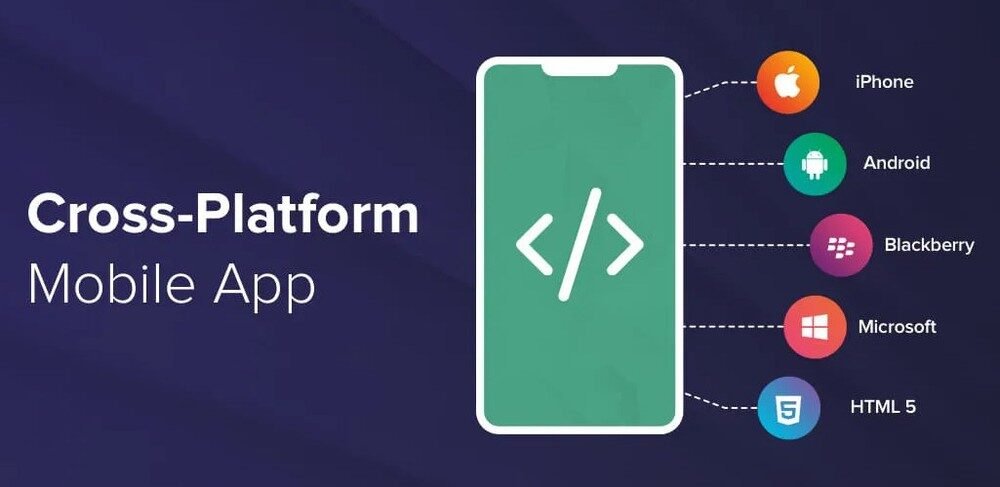
Cross-platform development is no longer a debate. It is a spectrum. While Flutter and React Native are still popular, many CTOs are increasingly turning to Kotlin Multiplatform (KMP). The appeal is clear. Teams can share core business logic across platforms while preserving native UI and performance.
This approach fits well with long-term scalability. It avoids duplicate logic without compromising the user experience. In enterprise environments, that balance matters.
3. Mobile apps are designed for 5G reality
5G alone does not change applications. Architecture does. Edge Computing is driving a fundamental shift in 2026. Processing data closer to users reduces cloud dependency, improves real-time responsiveness, and lowers operational costs at scale.
Mobile apps that leverage edge processing can handle live analytics, real-time collaboration, and immersive experiences without overloading centralized systems. For CTOs, this requires rethinking how data flows through the stack, not just how quickly.
4. AR becomes practical, not experimental
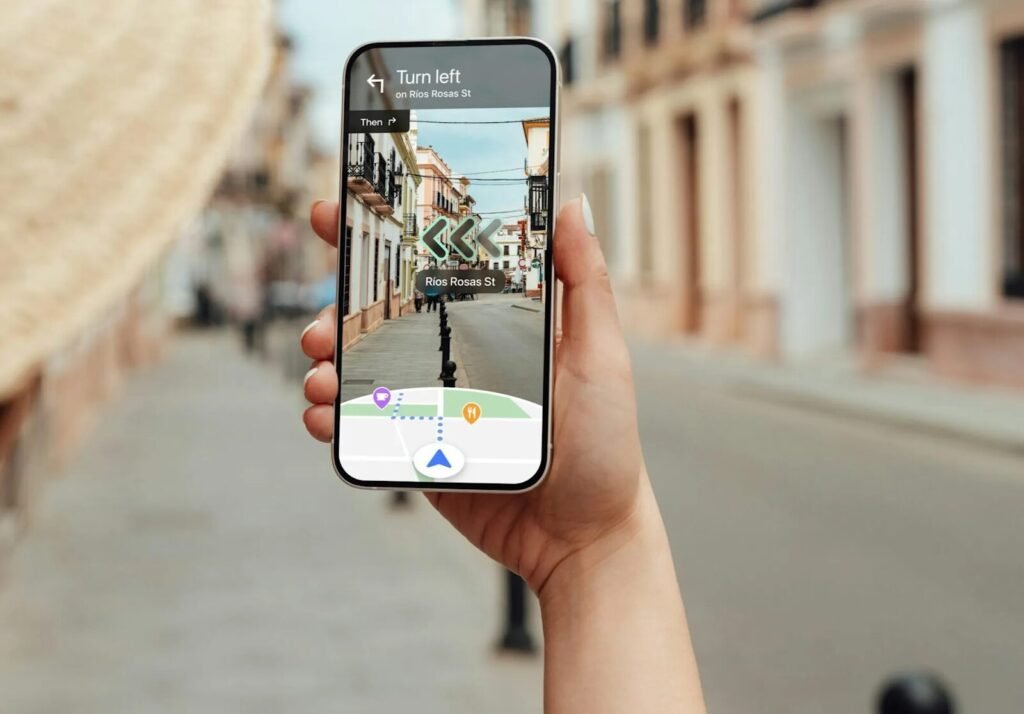
Augmented reality is settling into practical use cases. In retail, AR improves product visualization. In manufacturing and logistics, it supports training and on-site guidance. In healthcare and education, it enhances comprehension through spatial context.
What changes in 2026 is intent. AR features are no longer added to impress investors. They are added to solve specific user problems. CTOs should evaluate AR through the lens of measurable outcomes, not novelty.
5. Security and privacy are built in from day one
Mobile security is shifting left. With tighter regulations and higher user awareness, security can no longer be layered on late in development. Encryption, identity management, and access control must be part of the initial system design.
According to Nevill Nguyen, CEO of PowerGate Software, “Security failures rarely come from advanced attacks. They come from early architectural shortcuts that teams regret later. In mobile development, the cost of fixing those mistakes multiplies very quickly.”
This perspective reflects a broader industry trend. Security is now a product quality metric, not just a compliance requirement.
6. Low-code tools support, not replace, engineering teams
Low-code and no-code platforms continue to expand in enterprise environments. In 2026, they are commonly used to build internal tools, dashboards, and workflow apps that do not require deep customization. This reduces pressure on core engineering teams and shortens delivery cycles.
However, experienced tech leaders are cautious. Low-code works best when governed by clear architectural boundaries. Without that discipline, it can create fragmented systems that are difficult to scale or secure.
7. Voice and conversational interfaces gain traction
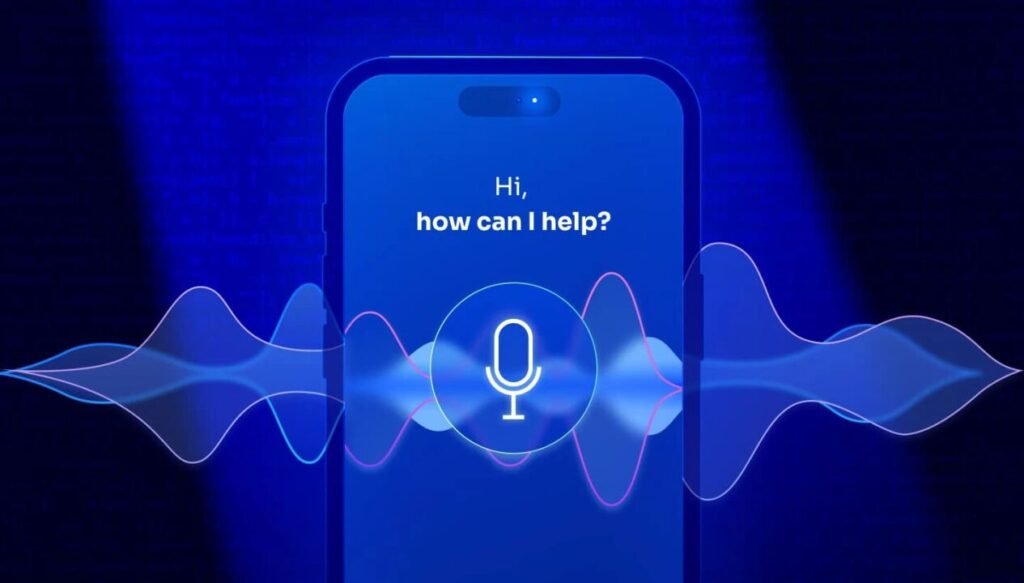
Voice interaction is no longer limited to intelligent assistants. Mobile apps increasingly integrate conversational interfaces for search, navigation, and task execution. This trend is evident in fintech, healthcare, and enterprise productivity apps.
Designing voice experiences requires a different mindset. It forces teams to simplify flows and think in terms of intent rather than screens. For many CTOs, this is a valuable exercise to improve overall UX clarity.
8. Energy efficiency becomes a product concern
Sustainability is becoming more concrete in technical discussions. In 2026, mobile apps will be evaluated not only by performance but also by resource consumption. Battery usage, background processes, and data transfer efficiency directly affect user retention.
For organizations with large user bases, minor optimizations translate into significant environmental and cost impact. Green app development is no longer just a branding statement. It is a technical responsibility.
READ MORE
From trends to strategy
These trends point to a common theme. Mobile app development is becoming more strategic and less tactical. CTOs are expected to balance speed with longevity, experimentation with control, and innovation with reliability. This requires partners who understand not just frameworks but also the business context.
Companies like PowerGate Software have seen this shift firsthand through long-term collaboration with global clients across fintech, healthcare, and education. The emphasis is increasingly on building mobile systems that can evolve without constant rework.
The teams that succeed in 2026 will not chase every trend. They will choose carefully. Then execute with discipline. Mobile apps are no longer side projects. They are core infrastructure. They should be treated accordingly.
If you are planning your next mobile initiative, book a free consultation with PowerGate Software’s experts to stress-test your current architecture before it becomes expensive to change.
PowerGate Software – Leading software product studio
- Website: http://powergatesoftware.com/
- Services: https://powergatesoftware.com/services/
- Email: contact@powergatesoftware.com