
3D-Printed Homes: Redefining Affordable and Sustainable Housing
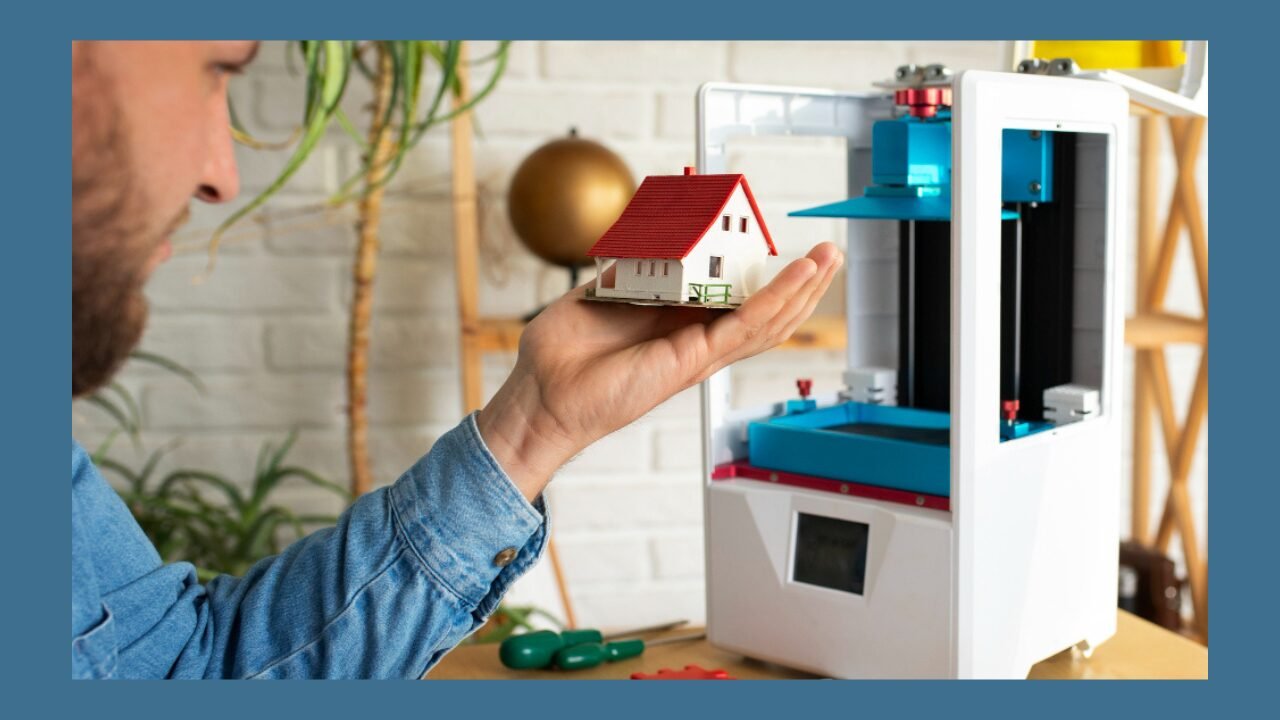
A house that can be built in 24 hours might sound like something from a science fiction movie, but it’s happening right now. 3D-printed homes use large printers to build houses layer by layer using materials such as concrete. This technology is changing how we think about construction.
3D-printed homes can cost between $10,000 and $400,000, depending on size and features, with basic models taking just one day to print. The printing process is fast, but you’ll still need additional time for plumbing and electrical work. Some finished homes sell for around $300,000, while others rent for less than $1,000 per month.
This guide will help you understand how these homes work, what they cost, and where you can find them.
How 3D-Printed Homes Are Built
Building a 3D-printed house uses additive manufacturing to create walls layer by layer, with specialized materials, such as concrete mixtures, deposited through large robotic printers to form complete structures in days rather than months.
Digital Design and Blueprinting
Your 3D-printed house starts with a digital blueprint created using Computer-Aided Design (CAD) software. Architects design every detail of your home on a computer, including wall thickness, room layout, and structural features.
This digital model tells the printer exactly where to place each layer of material. You can easily customize your design, as changes are made in the software before any construction begins.
Construction 3D Printing Process
A robotic printer, such as the Vulcan, moves along tracks around your building site. The printer’s nozzle squeezes out a concrete mixture to form your 3D-printed walls layer by layer.
Each layer hardens quickly, allowing the next layer to be applied. Your walls take shape as the printer follows the digital design, creating the structure in 24 to 48 hours.
Materials Used in 3D-Printed Homes
3D printing in construction primarily uses concrete-based materials for strength and rapid drying. Materials like Lavacrete from Sustainable Concrete Innovations offer durability while reducing environmental impact.
Some builders also use geopolymers or recycled materials to make homes more eco-friendly.
Costs and Timeline of 3D-Printed Homes
3D-printed homes typically cost between $140 and $250 per square foot at completion, with wall printing taking 24 to 72 hours. Total project timelines run 8 to 16 weeks from permit to move-in.
3D-Printed House Cost Breakdown
The wall shell alone costs $20 to $60 per square foot to print. A 3D-printed tiny house might run $10,000 to $35,000 for walls only.
Your total finished cost includes:
- Foundation and site prep: 1-3 weeks of work
- Printed walls: $20-$60/sq ft in materials and labor
- Roof, windows, doors: Standard construction pricing
- MEP systems: Plumbing, electrical, HVAC
- Finishes: Drywall, flooring, fixtures
Printer mobilization adds $10,000 to $50,000, depending on distance.
Comparing Costs with Traditional Construction
You’ll save 5% to 20% on simple floor plans versus stick-built homes. The printing process reduces construction waste by 30% to 60% and significantly reduces framing labor.
Traditional homes take several months to frame, while your 3D-printed walls finish in days.
Factors Influencing Price and Build Time
Complex roof designs and custom windows can eliminate your savings. Simple, repeatable floor plans deliver the best value.
Your timeline depends on permits (4-10 weeks), site conditions, and crew availability.
Leading Projects and Companies
Several companies have built real homes that people now live in, while others have advanced the technology through new construction methods and stronger materials.
Showcase 3D-Printed House Projects
ICON built a 100-home neighborhood called Wolf Ranch in Texas, one of the most significant 3D-printed housing developments. In Mexico, ICON partnered with New Story to create the world’s first 3D-printed home community.
COBOD helped construct Central Asia’s first earthquake-resistant 3D-printed house in Kazakhstan. The 100-square-meter home can withstand earthquakes up to magnitude 7.0.
SQ4D listed the first commercial 3D-printed home in Riverhead, New York, for $299,999 in 2021. Mighty Buildings created the world’s first net-zero-energy 3D-printed house in California, which produces as much energy as it consumes.
Innovative Companies in the Market
COBOD leads the European market with its BOD2 printer system, now operating on all inhabited continents. Mighty Buildings automates 80% of its operations and uses 60% recycled materials.
Apis Cor developed mobile printers that can build structures up to three stories tall without requiring assembly on-site.
Technological Milestones and Advances
ICON’s Phoenix printer builds multi-story structures faster than its predecessor, the Vulcan. The robotic arm reaches higher and assembles more quickly than earlier models.
COBOD’s printers now create buildings that meet international building codes. Companies like Mighty Buildings use materials four times stronger than standard concrete while reducing construction costs by up to 50%.
READ MORE
Sustainability and Future Prospects
3D-printed homes offer eco-friendly materials and waste reduction that could reshape how we build sustainably. These advances are making sustainable construction more accessible and practical for everyday housing needs.
Eco-Friendly Building Materials
Your 3D-printed home can use recycled materials like plastic waste and concrete debris. Many companies now incorporate recycled components into their printing materials, reducing the carbon footprint of each build.
Some builders use geopolymer concrete instead of traditional cement. This material produces fewer emissions during production. You’ll also find homes printed with materials that include natural fibers and biodegradable components.
Reducing Waste and Environmental Impact
Traditional construction wastes about 30% of materials. Your 3D-printed house uses only what’s needed, layer by layer. This precision cuts waste dramatically.
The printing process also reduces energy use on construction sites. You need fewer trucks, less equipment, and shorter build times. Some projects finish in just 30 hours, resulting in lower fuel consumption and reduced site disruption.
Sustainable Building Applications
You can add solar panels, rainwater collection, and wind energy systems to your 3D-printed houses. The technology is well-suited to affordable housing in areas facing housing shortages. Disaster relief organizations use 3D printing to build homes quickly in affected regions.